The Sleep Apnea–Bruxism Connection
Sleep apnea is linked to heart disease, dementia, and other chronic health conditions. Across the Omaha–Council Bluffs metropolitan area, some people with sleep apnea also experience nighttime bruxism, or involuntary teeth clenching and grinding. Bruxism can damage the teeth and jaw joints while causing symptoms that extend beyond the jaw.
You don’t have to live with sleep bruxism. Treating sleep apnea may reduce bruxism for some people. If it continues, a sturdy oral appliance can help protect the teeth and joints from damage.
What Is Sleep Bruxism?
Bruxism is when you clench and/or grind your teeth involuntarily. Sleep bruxism occurs at night when you are asleep.
In bruxism, the chewing muscles engage, but their motions aren’t like typical biting and chewing motions. This is partly because there is nothing to bite or chew (though sometimes you might catch the tongue or cheek in the bite). Because there’s nothing between the teeth, grinding can cause significant amounts of attrition–the type of tooth wear caused by tooth-to-tooth contact.
Although the motions caused by daytime and nighttime bruxism are similar, the conditions are separate, and people who experience one might not experience the other. Daytime is often associated with stress and anxiety, but at night it doesn’t have a direct connection. (In some cases, clenching your teeth at night is linked to alcohol, caffeine, and nicotine use, which might be related to stress and anxiety.)
Signs & Symptoms
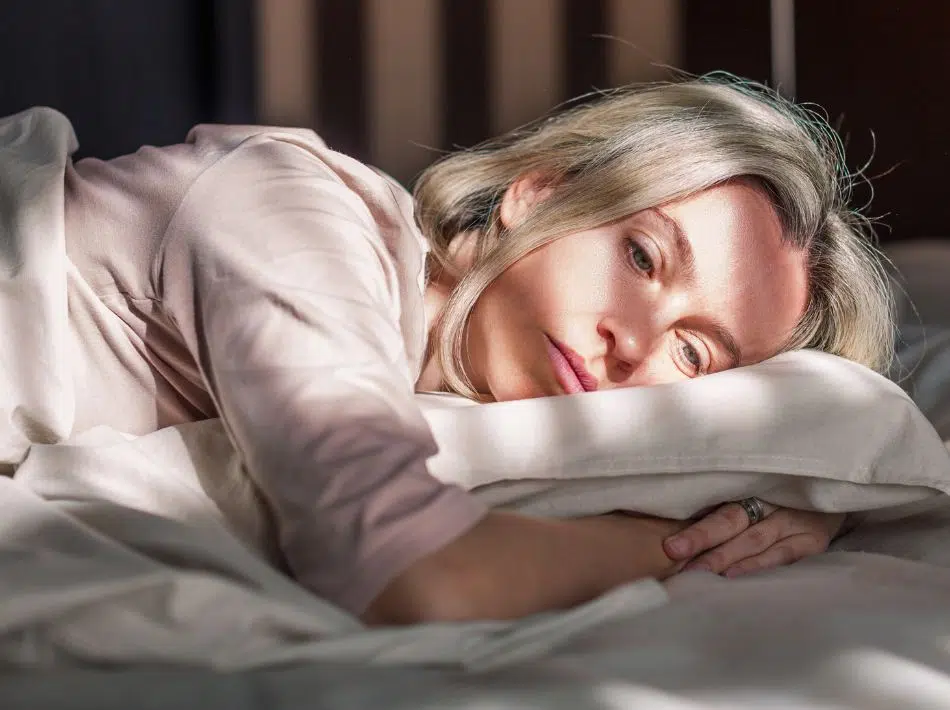
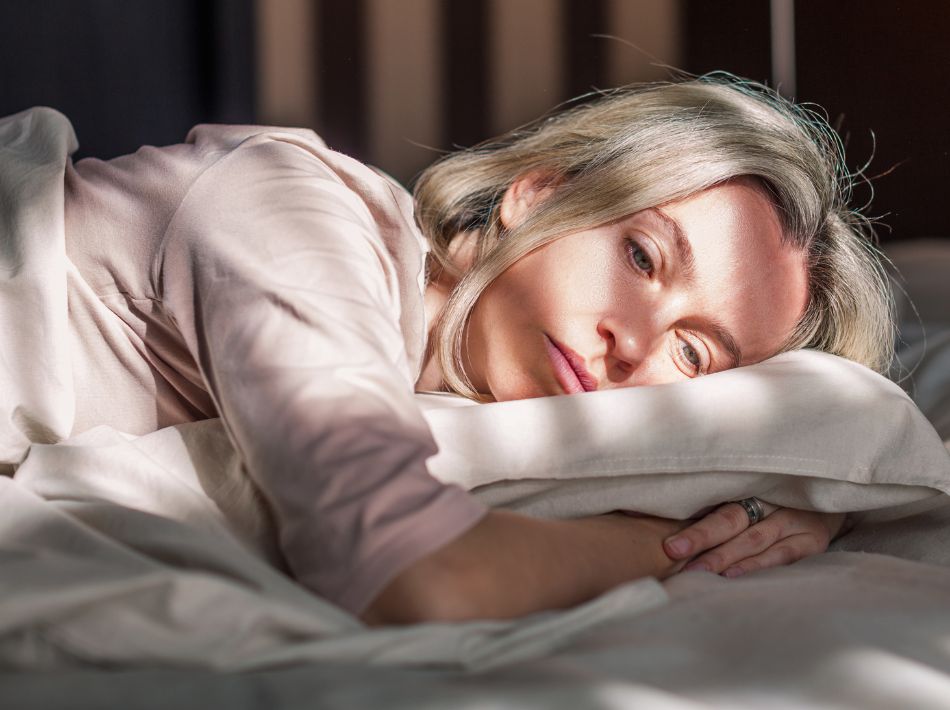
Most summaries about the condition state that clenching your jaw at night is less common than during the day, but it is more accurate to say that sleep bruxism is less commonly diagnosed than daytime. Sleep bruxism faces the same difficulties as sleep apnea in terms of diagnosis. Since it happens during sleep, it’s harder for doctors to observe the condition directly, and people unfamiliar with the condition might be less likely to mention symptoms to their doctor.
Watch for these signs and symptoms:
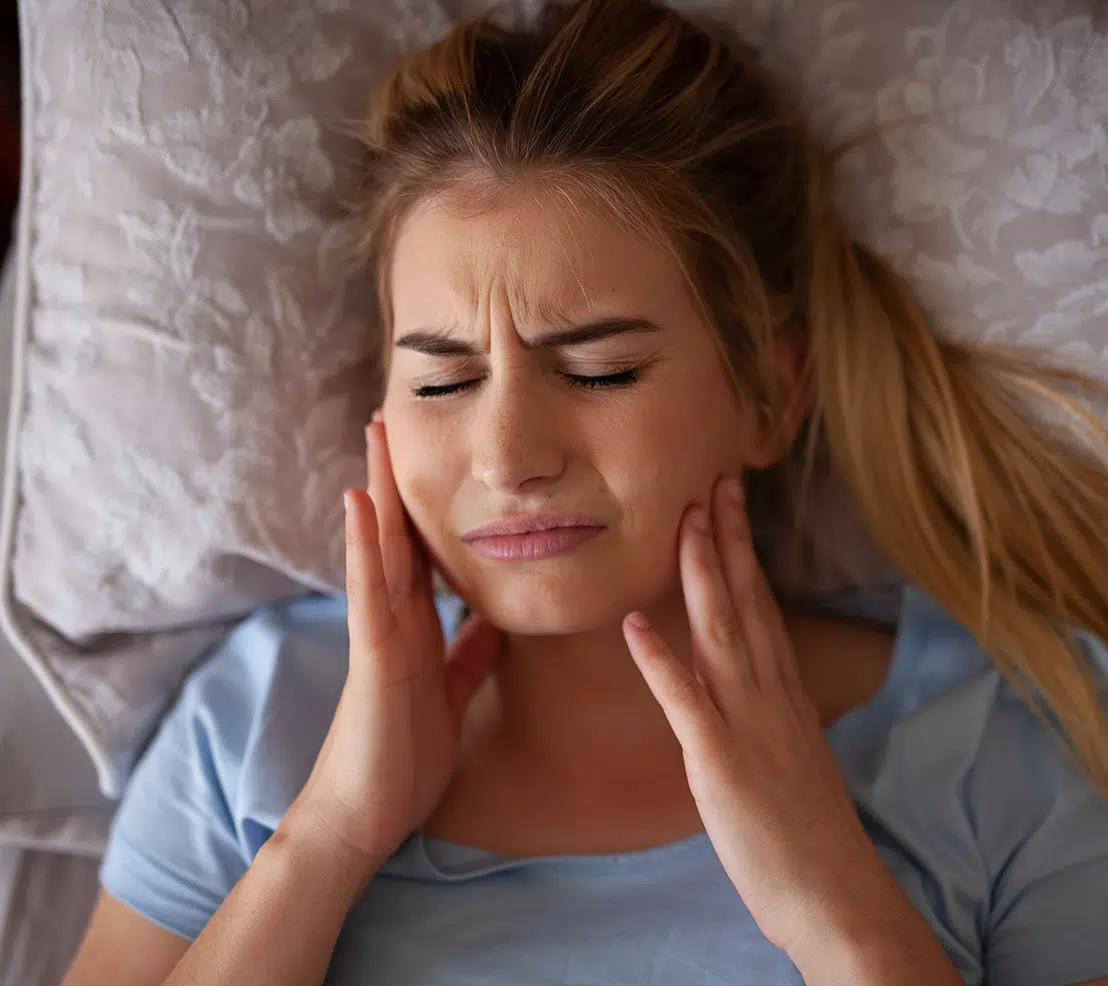
- Sore jaw, face, or neck on awakening (in the morning or at night)
- Headaches on awakening
- Sore teeth on awakening
- Teeth cracking or wear
- Grit in the mouth
- A sleep partner reports clenching or grinding sounds
- Biting cheek or tongue at night
If you experience these problems, you should talk to a sleep dentist in Omaha.

“I can’t tolerate a cpap and Advanced Dental is a terrific solution. I have been a patient here for over 20 years. Always helpful and friendly. I have referred many of my family and friends.”
– C. WEIGHT
“Having struggled with sleep apnea for years, I finally decided to do something about it… ADSTC was awesome to work with and I highly recommend you reach out to them to help with alternatives to C-PAP.”
– K. BROWN
“I would highly recommend this office if you are having a lot of issues with your sleep patterns. Thank you to the staff at Advanced Sleep.”
– S. KLING
How Is Sleep Bruxism Linked to Sleep Apnea?
Sleep bruxism and sleep apnea have a complex relationship that varies by person. For some people in the Omaha–Council Bluffs metropolitan area, they are separate conditions. For others, sleep apnea may trigger nighttime teeth grinding and clenching. Researchers have also explored whether bruxism can worsen breathing problems during sleep.
Comorbid Conditions
Sleep bruxism and sleep apnea may occur independently, particularly in people with underdeveloped jaws or restricted airways. Both conditions may also be associated with temporomandibular joint disorders, commonly called TMJ or TMD.
Sleep Apnea Can Trigger Sleep Bruxism
Research suggests that sleep apnea may trigger some bruxism episodes. When breathing is interrupted, the brain briefly activates muscles to help reopen and stabilize the airway. This response may include tightening the jaw muscles or clenching the teeth.
Sleep apnea may also contribute indirectly. Daytime fatigue can lead some people to consume more caffeine or nicotine. Heavy use of these stimulants has been associated with sleep bruxism.
Can Sleep Bruxism Worsen Sleep Apnea?
Researchers have considered whether sleep bruxism could restrict the airway or worsen sleep apnea. However, current evidence does not clearly show that bruxism causes sleep apnea. More research is needed to understand the relationship.
Complications of Sleep Bruxism
Left untreated, this can cause serious problems, like:
- Damage to teeth and restorations
- Damage to the jaw joint
- Facial and jaw pain
- Persistent headaches
- New or worsening TMJ
The likelihood of these complications increases over time.
Sleep Apnea Treatment Can Relieve Bruxism
Sleep apnea treatment can improve or eliminate issue with grinding and clenching your teeth at night. In one study, treatment all but eliminated some episodes. In any case, where bruxism is secondary to sleep apnea, we can expect similar results.
However, even if your bruxism isn’t caused by sleep apnea, treatment can still help. Sturdy oral appliances that treat sleep apnea can also help protect your teeth from the damaging effects of sleep apnea.
Get Relief from Sleep Bruxism
If you have sleep bruxism or suspect you may, the sleep dentists at Advanced Dental Sleep Treatment Center can help. Complete our online form or call (402) 493-4175 to schedule an appointment serving the Omaha–Council Bluffs metropolitan area.